

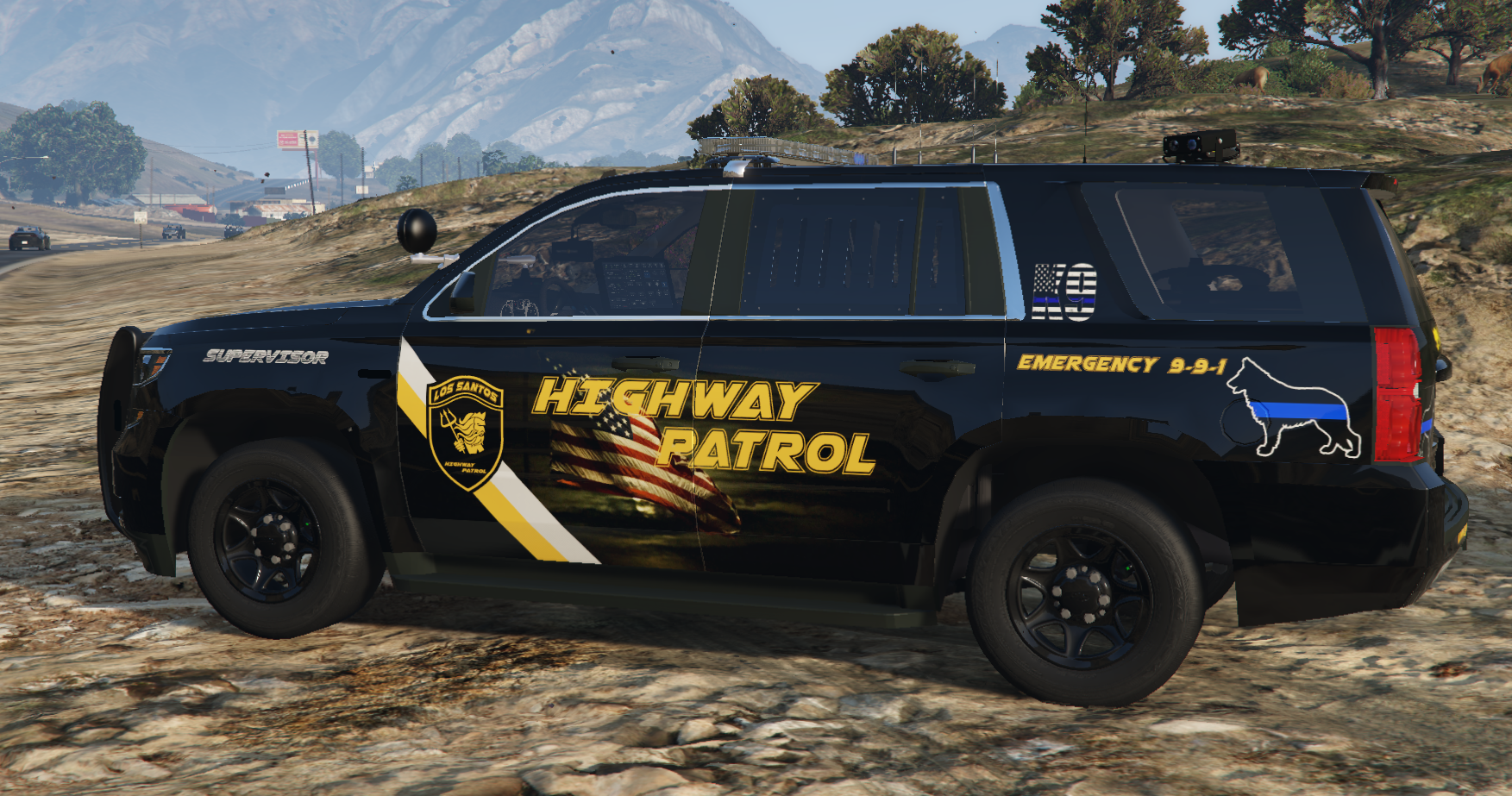
The Crucial Need for Leadership
at the Road Supervisor Level
By: Andrew A. DeMuth Jr.
Effective leadership is the backbone of any successful law enforcement agency. (See also The New Supervisor Mindset.) While leadership is crucial at all levels, strong leadership at the road supervisor level in law enforcement is particularly vital at the road supervisor level, where frontline officers look for guidance, direction, and support. Strong leadership in this role ensures operational efficiency, officer morale, community trust, and mission success.
Ensuring Operational Efficiency
The frontline supervisor quite possibly is the single most important position in the organization. They are the direct link between the organization’s mission, expectations, and policies and the people who actually carry out the work. Senior leaders may establish the vision and set the direction, but frontline supervisors are the ones who translate those ideas into daily behavior, performance, and accountability.
They influence morale, productivity, communication, standards, employee development, and ultimately workplace culture. A great chief executive can set the organization on the right course, but if frontline supervisors are ineffective, disengaged, or abusive, that vision will never fully reach the workforce. For most employees, the frontline supervisor is the face of leadership—and often the person who determines whether they love coming to work or dread it.
Road supervisors are the direct link between command staff and patrol officers. They set the tone for daily operations, ensuring that officers are deployed efficiently, respond appropriately to incidents, and adhere to department policies and procedures. A strong leader in this role fosters an environment of accountability, ensuring that tasks are completed effectively and resources are allocated wisely.
Frontline supervisors are also the key to avoiding high-profile failures. They set the tone, establish standards and expectations, and define the culture of the teams they manage.
Building Officer Morale and Development
Leadership at the road supervisor level directly impacts officer morale.
Officers who feel supported and valued by their supervisors are more engaged, motivated, and committed to their duties. A strong supervisor provides guidance, mentorship, and professional development opportunities, helping officers refine their skills and advance in their careers. When road supervisors lead by example, demonstrating integrity, fairness, and professionalism, they inspire their teams to uphold the same standards. (See also Reward, Recognition, and Appreciation in Law Enforcement.)
Enhancing Community Trust and Engagement
Law enforcement agencies thrive when they have the trust of the communities they serve. Road supervisors play a key role in shaping public perceptions of the department by ensuring that officers engage with citizens in a respectful and professional manner. Effective supervisors emphasize community-oriented policing strategies, fostering positive relationships between officers and the public. Strong leadership in this area can de-escalate tense situations, reduce complaints, and improve overall public safety. (See also Community Policing: More than a Cliche.)
Managing Critical Incidents
In high-stress situations such as pursuits, officer-involved shootings, or large-scale emergencies, road supervisors must remain calm, decisive, and strategic. Their ability to assess rapidly evolving scenarios, make sound tactical decisions, and coordinate resources can be the difference between successful resolution and tragic outcomes. Strong leadership ensures that officers receive clear directives, support, and backup when handling critical incidents.
Accountability and Ethical Leadership
One of the most critical responsibilities of a road supervisor is enforcing ethical conduct and holding officers accountable. Leaders in this role must ensure that their teams follow laws, department policies, and professional standards. They must address misconduct promptly and fairly while reinforcing a culture of integrity and public service. By promoting ethical behavior, road supervisors protect both the credibility of their department and the trust of the community.
Commander’s Intent in Law Enforcement
Law enforcement should borrow heavily from the military concept of Commander’s Intent.
In military doctrine, the commander’s intent communicates the purpose of the mission, the desired end state, and the essential priorities, enabling subordinate leaders to make sound decisions even when events unfold differently than planned. That concept has enormous value for law enforcement because there is simply no way to prepare a frontline supervisor for every conceivable (and inconceivable) situation they will encounter. No policy manual, SOP, roll-call training program, or promotional course can anticipate every critical incident, personnel problem, operational challenge, or rapidly changing circumstance.
At some point, the supervisor will face a situation for which there is no script.
That is why supervisors need more than rules; they need a deep understanding of leadership intent.
They should understand what the organization values, what good leadership looks like, what standards are nonnegotiable, how people are expected to be treated, and what outcome the organization is ultimately trying to achieve.
When that intent is clear, supervisors can exercise judgment and initiative without waiting for someone above them to provide step-by-step instructions. The goal should not be to create supervisors who constantly ask, “What am I supposed to do?” It should be to develop supervisors who understand the organization well enough to ask, “What would a great leader do here?”
That is essentially the power of Commander’s Intent: giving people enough clarity about the why and the desired outcome that they can determine the how when circumstances inevitably change.
Conclusion
Strong leadership at the road supervisor level in law enforcement is fundamental to the success of law enforcement agencies. Supervisors serve as mentors, decision-makers, and role models, directly influencing operational efficiency, officer morale, community trust, and crisis response. Agencies that invest in leadership development for road supervisors not only enhance their internal culture but also strengthen their overall mission of protecting and serving the public with integrity and professionalism. (See also Law Enforcement Leadership Training.)
Back to Law Enforcement Articles
Additional Reading